
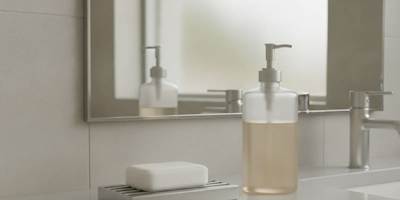
When do commercial facilities choose bar soap instead of liquid soap?
Choosing a soap bar for a commercial facility can make sense when the setting, sink arrangement, and staff routine support it. Liquid soap may fit better where controlled dispensing, fast replenishment, or a consistent guest experience is a priority. The right choice depends on how people use each sink and how your team will store, clean, and restock supplies.
When does bar soap suit a commercial setting?
Bar soap can be worth considering in a low-traffic area with a dedicated sink, a dependable cleaning routine, and a practical way to keep the soap between uses. It may also suit a workplace that already has a suitable soap dish and staff who can check it during regular rounds. The question is not whether a bar is familiar or inexpensive. It is whether the complete setup can remain usable and orderly during the day.
Think about who uses the sink. A staff-only washroom or back-of-house sink has a different user pattern from a public restroom serving visitors throughout the day. In a shared public space, users may expect a dispenser and may be less comfortable handling a communal bar. In a private staff area, the team may be able to maintain a clear process for replacing and cleaning the dish.
A bar can be a reasonable option in a small office, a controlled staff area, or a lightly used utility space when the holder drains properly and the people responsible for upkeep are clear. That does not make it the right default for every location. Consider the sink's traffic, the distance from the cleaning team's normal route, and how quickly a problem would be noticed.
Bar soap is not automatically simpler to manage. A bar needs a place that drains and stays clean, and someone must notice when it is worn down or the dish needs attention. If that work does not fit the cleaning schedule, choose a format that is easier for staff to inspect and replenish consistently.
When is liquid soap the more practical choice?
Liquid soap is often a practical fit when a facility wants soap contained in a dispenser and a familiar, straightforward handwashing setup for many users. Wall-mounted dispensers can keep the counter clearer, while refillable or replaceable units give staff a defined point to inspect during rounds. The specific dispenser and refill requirements vary, so check compatibility before buying.
Consider liquid soap where the sink is in a visible guest area, where several people use it in quick succession, or where your team already has a dispenser-check routine. These conditions do not prove liquid soap is always better; they make dispenser management and user expectations especially relevant to the decision. A dispenser can also make the supply point more obvious to a visitor who does not know the facility's routine.
Liquid soap introduces its own tasks. Staff need to inspect the level, understand the refill or replacement method, and respond to a unit that is empty, clogged, damaged, or incompatible with the available product. A dispenser that is difficult to open or that requires a special refill can create a purchasing and maintenance issue even when users prefer the format.
Keep handwashing guidance separate from format selection. The Centers for Disease Control and Prevention's handwashing guidance describes when and how to wash hands, while the facility still needs to decide which soap format its sinks and operating routines can support.
How should you compare the two formats?
Compare the complete routine, not just the soap itself. Consider placement, cleaning, refill or replacement work, storage, and the people using the sink. The table can help teams discuss the trade-offs before choosing a site standard.
| Consideration | Bar soap | Liquid soap |
|---|---|---|
| Best-fit setting | Potentially suitable for a controlled, lower-traffic sink with an assigned dish and upkeep routine | Potentially suitable for shared sinks where a dispenser-based setup fits user expectations |
| Sink hardware | Needs a stable soap dish or holder that can be checked and cleaned | Needs a compatible dispenser or container and a plan for refills or replacement |
| Routine task | Inspect the bar and dish; replace or clean them as needed | Check the dispenser, refill level, and operation; replenish with the compatible product |
| Storage planning | Keep replacement bars dry and protected from damage | Store refills or replacement containers in an accessible, organized location |
| Guest experience | May feel less familiar in a public shared restroom | May match expectations for a dispenser in many shared facilities |
| Changeover work | Usually focuses on the holder, bar supply, and inspection instructions | May involve dispenser installation, refill compatibility, and staff instructions |
| Purchasing question | Which bar size, holder, and replacement frequency fit the location? | Which refill or container fits the dispenser and expected use? |
Use the table as a starting point rather than a scorecard. For example, a staff washroom with one sink may favor a bar if the dish is easy to clean and the bar is checked each day. A busy visitor restroom may favor liquid soap because the facility already has dispensers and a clear refill route. The result should follow the site's operating conditions, not a blanket preference.
What hygiene workflow should you plan?
A format only works well when the surrounding routine is clear. For bar soap, assign responsibility for checking the dish, keeping the area tidy, and replacing the bar. Do not leave a communal bar in a wet, dirty, or neglected holder. For liquid soap, assign responsibility for checking the dispenser and responding when it is empty, clogged, or not working as intended.
Define what a satisfactory check looks like. A bar-soap check might confirm that the bar is present, the holder drains, the surrounding counter is clean, and a replacement is available. A liquid-soap check might confirm that the dispenser operates, the level is adequate for the expected use, and the correct refill is available in reserve. Clear observations make training easier than a general instruction to “keep the soap stocked.”
Make checks part of an existing restroom or sink inspection rather than relying on users to report a problem. A simple log can record the location, date, and action taken. The goal is a visible, repeatable process, not a complicated new form. If several shifts share responsibility, identify who performs the first check and how the next shift sees an unresolved issue.
Soap choice does not replace handwashing instruction or other site hygiene procedures. Follow applicable workplace practices and product directions. For research comparing characteristics of commercial bar soaps and liquid hand washes, review this published study on bar soaps and liquid hand wash. Its findings should inform product review, not replace the instructions or requirements that apply to a particular facility.
How do storage and dispenser needs affect the choice?
Check the physical space before selecting a format. A bar needs a holder that allows it to sit securely and gives the surrounding area room to be cleaned. A liquid system needs a compatible dispenser, a place for refills, and enough access for staff to service the unit without disrupting the sink area.
Measure the practical space around the sink, including the counter, wall, splash area, and door clearance. A holder that takes up too much counter space can interfere with cleaning or crowd other supplies. A wall-mounted dispenser may free counter space, but it still needs a suitable mounting location and access for service. Include these details in a location review before ordering equipment or changing a site standard.
Then check the supply room. Bar soap may be easy to store in a designated dry area, while liquid refills can require attention to container size, dispenser compatibility, and stock rotation. Avoid ordering a large quantity until you have confirmed the format, storage conditions, and usage pattern at the relevant locations.
For liquid-soap planning, review the SC Johnson Professional skin-care products and SC Johnson Professional product catalog as catalog destinations. These links are useful starting points for reviewing available categories. Verify the product details, package, and dispenser fit for your specific needs before placing an order.
If the facility uses a familiar hand-soap brand or dispenser family, document that information beside the storage location. This helps a buyer avoid ordering a refill that staff cannot use. The MICRELL product destination can also be reviewed when that line is relevant to the facility's product search, but every item should still be checked for its exact container and equipment requirements.
How can a facility choose by location?
One organization may need different choices in different spaces. A visitor restroom, staff washroom, foodservice hand sink, and maintenance area can have different traffic, cleaning schedules, and storage access. Create a short location list and assess each one on its own rather than imposing a single format without checking the conditions.
- Public or visitor restroom: Consider expected user comfort, traffic, dispenser presence, and how often staff can inspect the area. A visible, easy-to-understand setup may be more practical than a format that requires users to infer how the soap is maintained.
- Staff-only space: Consider whether the users and cleaning team can follow a consistent bar or dispenser maintenance routine. Ask whether the sink is checked at the same time each day or across each shift.
- Foodservice area: Follow the site's applicable handwashing procedures and evaluate the sink setup and replenishment routine. Do not assume a soap format alone addresses compliance. Keep purchasing decisions aligned with the site's operating requirements.
- Remote or lightly used sink: Consider the distance to stored supplies and whether checks can be included in scheduled rounds. A format that appears simple can still fail if no one is assigned to visit the location.
- Shared production or warehouse area: Consider traffic, dust or splash exposure, equipment access, and whether the holder or dispenser can be serviced without interrupting work. Map the supply route from reserve stock to the sink.
Use actual observations from the site. Note when supplies run low, whether the sink is accessible to staff, and whether the current setup is easy to maintain. A short trial in one appropriate location can reveal practical issues before you standardize across a building.
How should you plan replenishment and purchasing?
Estimate use by location and review how often staff check each sink. Track starting stock, replenishment dates, and any recurring problems for a few ordering cycles. The records need not be elaborate; consistent notes help buyers see whether a format creates extra work or avoidable stock gaps.
- List the sinks and identify their users and typical traffic.
- Record the current soap format, holder or dispenser, and refill requirements.
- Assign a person or team to inspect each location at a practical frequency.
- Track consumption and issues such as empty units, poor placement, or difficult storage.
- Set a reorder point based on observed use and supplier pack sizes, leaving room for normal delivery timing.
- Keep a reserve quantity that fits the storage area and protects against ordinary ordering delays without creating excessive aging stock.
- Review the plan after a change in occupancy, cleaning schedule, or facility layout.
When comparing purchase options, include the work required to maintain the setup. A lower unit cost is not the only consideration if the format does not fit existing dispensers or storage. Check case quantities, product descriptions, and compatibility information before committing to a recurring order. The janitorial catalog is one place to review supply categories; confirm current listings and specifications for the item you need.
Buyers should also separate three decisions that are often mixed together: the soap format, the equipment needed to present it, and the quantity needed for the next purchasing period. A bar may require a holder change but less equipment service. A liquid system may fit existing dispensers but require a particular refill package. Write down those assumptions so a future buyer can understand why the item was selected.
For organizations ordering across departments, group locations by actual requirements rather than simply by building. One group may use the same dispenser and refill, while another may need a bar and a draining holder. Consolidating compatible purchases can simplify storage, but forcing incompatible locations into one item can create workarounds and stock errors.
What should buyers check before standardizing?
Before adopting one format across multiple sites, confirm that the decision works for the people maintaining it as well as the people using it. Ask cleaning staff whether the planned checks fit their rounds. Confirm that replacement supplies can be stored where staff can access them. Check whether each location has compatible hardware and whether the chosen method suits the actual traffic.
It can help to record the decision in a brief site standard: approved format by location, equipment or holder requirements, who inspects it, where reserve stock is kept, and when a reorder is triggered. Revisit the standard if sink use changes or maintenance problems repeat.
Include an exception process. A facility may standardize liquid soap in public restrooms while retaining a bar in a controlled staff area. That is easier to manage when the exception is documented with its reason, storage location, and inspection responsibility. Without that note, a well-intended consolidation order can replace a suitable local setup with the wrong item.
How can a short trial prevent a poor fit?
A limited trial can help a buyer test the practical details before choosing a format for every restroom. Pick one location that represents the intended use, note the starting setup, and agree on what staff will observe. The trial does not need a new measurement system. A few consistent observations can reveal whether the format fits the site.
During the trial, record whether users can find and operate the soap, whether the holder or dispenser remains tidy, how often staff need to replenish it, and whether replacement stock is accessible. Note issues by date and location so one unusual incident does not drive the decision. If the sink is used by different shifts, ask staff across shifts whether the check routine is workable.
Set a review date before the trial starts. At that point, compare the observations with the original priorities: user expectations, staff time, sink space, and replenishment. If the trial surfaces a hardware mismatch or storage problem, correct that first, then reassess. A trial is useful only when the team acts on what it learns.
Use a simple decision record at the review: keep the format, change the holder or dispenser, change the location standard, or stop the trial. Include the reason and any follow-up purchase. This avoids treating a trial as an informal opinion exercise and gives procurement a usable record for the next order.
How should teams coordinate across shifts and locations?
Soap supply plans can fail between shifts when responsibility is assumed rather than assigned. Make the task visible in the routine used by the people who already inspect the washroom or work area. Identify the primary check and what the next shift should do if the bar, dish, dispenser, or reserve stock needs attention.
For multiple buildings or departments, use the same simple fields in each location's records: location, format, holder or dispenser type, inspection date, action taken, and stock needed. Teams can then compare recurring issues without requiring every site to follow an identical format. Shared records are especially useful when purchasing is centralized but day-to-day checks happen locally.
Agree on how staff report an unexpected problem. A dispenser that repeatedly clogs, a dish that cannot drain, or stock that does not fit available storage may signal that the original choice needs review. Keep the report focused on the condition and location so a buyer or facilities lead can respond with a practical adjustment.
At shift handoff, state whether the supply was checked, whether reserve stock was moved, and whether a repair or purchase is pending. This is particularly helpful for remote sinks, weekend coverage, and buildings where the purchasing team is not on site. A short, consistent handoff prevents the same issue from being rediscovered by each shift.
What should you review before changing the supply list?
Review the reasons for changing before placing a new order. A switch from bar to liquid, or the reverse, can involve hardware, storage, training, and a different inspection task. Check whether the problem is actually the soap format or a fixable detail such as poor placement, missing spare stock, or unclear responsibility.
Include the people who use and maintain the sink. Ask whether the current setup is understandable and whether the next format would create a new task or remove an existing one. Confirm that the product and equipment information are available to whoever approves purchases, and make a note of any site-specific exception so it is not lost at the next reorder.
If you are standardizing, compare like with like. Use the same locations and observation period when reviewing refill frequency, service effort, storage demands, and recurring complaints. Then update the site standard and purchasing notes together, so the written routine matches the supplies actually ordered.
Recheck the decision after a renovation, occupancy change, new cleaning contract, or dispenser replacement. A sink that was lightly used may become a high-traffic point, and a new wall layout may change which format can be serviced safely. Treat the supply list as an operating document that can be revised when the site changes.
Frequently Asked Questions
Is bar soap appropriate for a public restroom?
It may be workable if the facility can keep the holder and surrounding area in good condition, but user expectations and traffic matter. Evaluate the setting and maintenance routine before choosing it for a shared public sink.
Does liquid soap work with any dispenser?
No. Check the dispenser's compatibility requirements and the product information before purchasing refills. A mismatch can make routine replenishment difficult.
Should every sink in a facility use the same format?
Not necessarily. Different locations can have different users, traffic, hardware, and cleaning schedules. Standardize where conditions match, and document exceptions where they do not.
How can a buyer avoid running out of soap?
Assign regular checks, keep a modest reserve where appropriate, and set reorder points using observed use and order timing. Review the plan when occupancy or routines change.
What is the first step when a soap setup is not working?
Identify whether the issue involves the format, the holder or dispenser, the supply quantity, or the assigned routine. Correct the specific cause, record what changed, and watch the location during the next review period before changing every site.
Choose the soap format that your facility can store, maintain, and replenish reliably, and review the decision as site needs change.
Recent Posts
-

What to Expect from a Safety Equipment Supplier
A useful safety equipment supplier does more than ship a box of gloves. Commercial buyers need an as …Oct 27th 2026 -

When do commercial facilities choose bar soap instead of liquid soap?
Choosing a soap bar for a commercial facility can make sense when the setting, sink arrangement, and …Oct 27th 2026 -

How should buyers evaluate latex gloves for commercial tasks?
Choosing latex gloves for a commercial workplace means weighing more than price or a familiar produc …Oct 25th 2026